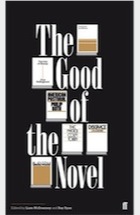
The Good of the Critic (& the novel)


'we live in “an age of drive-by reviewing, when every reader can tell the (electronic) world whether or not they ‘like’ a particular book.”'


Interesting article on the New Yorker site about The Good of the Critic


'The Good of the Novel will not be dogmatic or prescriptive. To theorise about a genre as fluid, capacious and protean as the novel is to risk incoherence or banality. Each novel set the terms of its own reception, makes its own demands of its readers. As Amit Chaudhuri argues here, the reading of a single novel can realign one’s entire aesthetic. Each novel writes its own constitution.'

How did I miss this book? Ordered.

Comments

Popular posts from this blog

Open newslist

Guardian open up their newslist. Helpful and insightful or another step towards the takeover of less-informed citizen journalism and media cost-cutting/ job cuts? Discuss... More:  http://www.guardian.co.uk/news/series/open-newslist?fb=native In other media news... The Times and Sunday Times cut 150 editorial posts More:  http://www.guardian.co.uk/media/2011/oct/20/times-job-cuts?fb=native

GIG ALERT: Natalie Ann Holborow at Uplands Poetry Night, Swansea


BOOK REVIEW: 'It deserves to be read far more widely.'

In her engaging review essay 'Fantastical Doubles and Split Selves' in the latest issue of New Welsh Review , author of The Word, JL George, looks at responses to trauma in three recent novels including Fox Bites by Lloyd Markham . Here are three of our favourite snippets: ‘Lloyd Markham’s first full-length novel Fox Bites , set in early-2000s Zimbabwe, takes a similar tack, colliding social upheaval – as viewed through the sometimes-uncomprehending eyes of a young, neurodivergent boy – with smaller, more personal disruptions. The young protagonist, Taban, suffers bullying and isolation among his peers after his family splits apart: his aunt, uncle, and beloved cousin Caleb moving away to a farm which will later be seized during land reforms.’ ‘Taban must resist the temptation to become part of a cycle of abuse, thereby becoming a conduit for the destruction of his world. Although the stakes of the book eventually become world-threatening in the expected way of science fiction...